1. Bench pickup check
Start with representative parts, including the worst expected surface condition. Check pickup contact, peel risk, air gap, and any stacked-part behavior before approving the gripper concept.
Electrical interface planning for controller signals, power, cable length, connector style, and installation constraints.
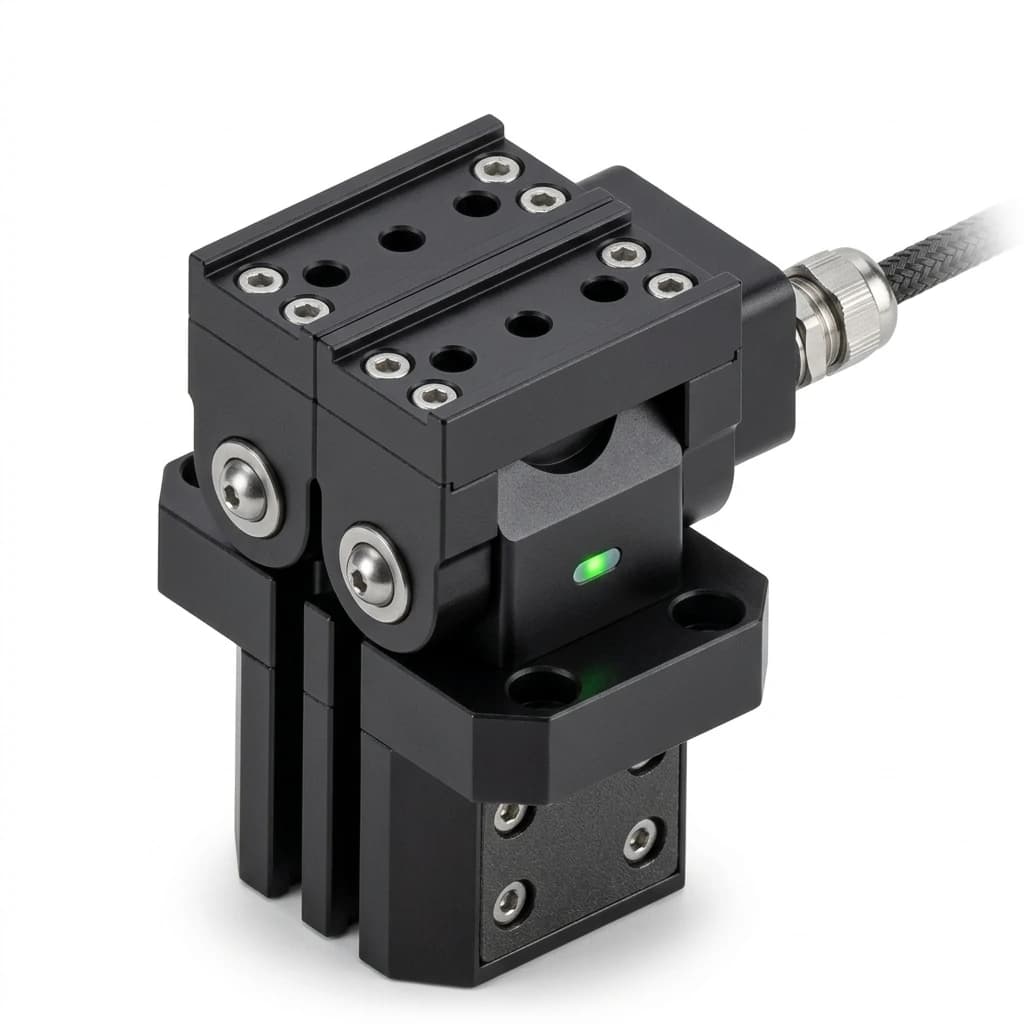
Treat control, cable, and connector customization as a complete handling decision, not a stand-alone magnet purchase. The right choice depends on whether the workpiece can be held magnetically, whether the robot motion keeps enough margin, whether the part releases cleanly, and whether the installation scope is clear enough for quotation.
Buyer fit: For machine builders and integrators who need wiring details settled before installation. Before comparing price, align the practical constraints below so the quote reflects the real automation cell instead of a generic catalog condition.
| Decision Area | Buyer Question | Practical Evidence |
|---|---|---|
| Workpiece fit | Can the magnetic poles contact enough real surface area under production conditions? | Send supply voltage (dc/ac), current rating, and controller signal type (digital i/o, analog, fieldbus) plus photos or drawings of the pickup face. |
| Motion margin | Will the gripper hold through acceleration, rotation, off center pickup, and stop conditions? | Review electrical compatibility because electrical mismatches delay installation and can create reliability issues. |
| Release behavior | Can the part release within the placement tolerance without residual magnetism, double pickup, or stack disturbance? | Define sample acceptance criteria around electrical compatibility and record the release test result before batch release. |
| Interface scope | Are the flange, adapter, cable, connector, controller, and documentation assumptions included in the same RFQ? | Confirm voltage, current, and duty-cycle assumptions and list any custom mounting or control requirements before PO release. |
Start with representative parts, including the worst expected surface condition. Check pickup contact, peel risk, air gap, and any stacked-part behavior before approving the gripper concept.
Test the planned orientation, acceleration, tool center, cable route, and stop assumptions. A static lift is not enough when the cell includes fast motion or rotated handling.
Measure release timing, residual magnetism, placement tolerance, and repeatability across a small run. Use the result to freeze pole layout, interface, and quality-control notes.
The most common sourcing mistake is treating holding force as a fixed catalog value. In practice, cable is too short or routed without bend-radius protection, causing early failure. Measure the actual cable path through every robot position and add service-loop margin before specifying cable length. Another common issue is that connector type does not match the panel, robot, or machine interface. Confirm connector gender, pin count, keying, and locking mechanism against both the gripper and the machine side before ordering.
For a quote that can move from engineering review to procurement, include the workpiece file set, automation interface, cycle target, release requirement, quantity, destination, and any custom packaging or documentation needs. If those values are not final, mark them as assumptions so the quotation can separate confirmed scope from validation-dependent scope.
| Program Metric | Typical Range | Procurement Value |
|---|---|---|
| Electrical compatibility | Reviewed from machine, robot, or controller requirements | Electrical mismatches delay installation and can create reliability issues. |
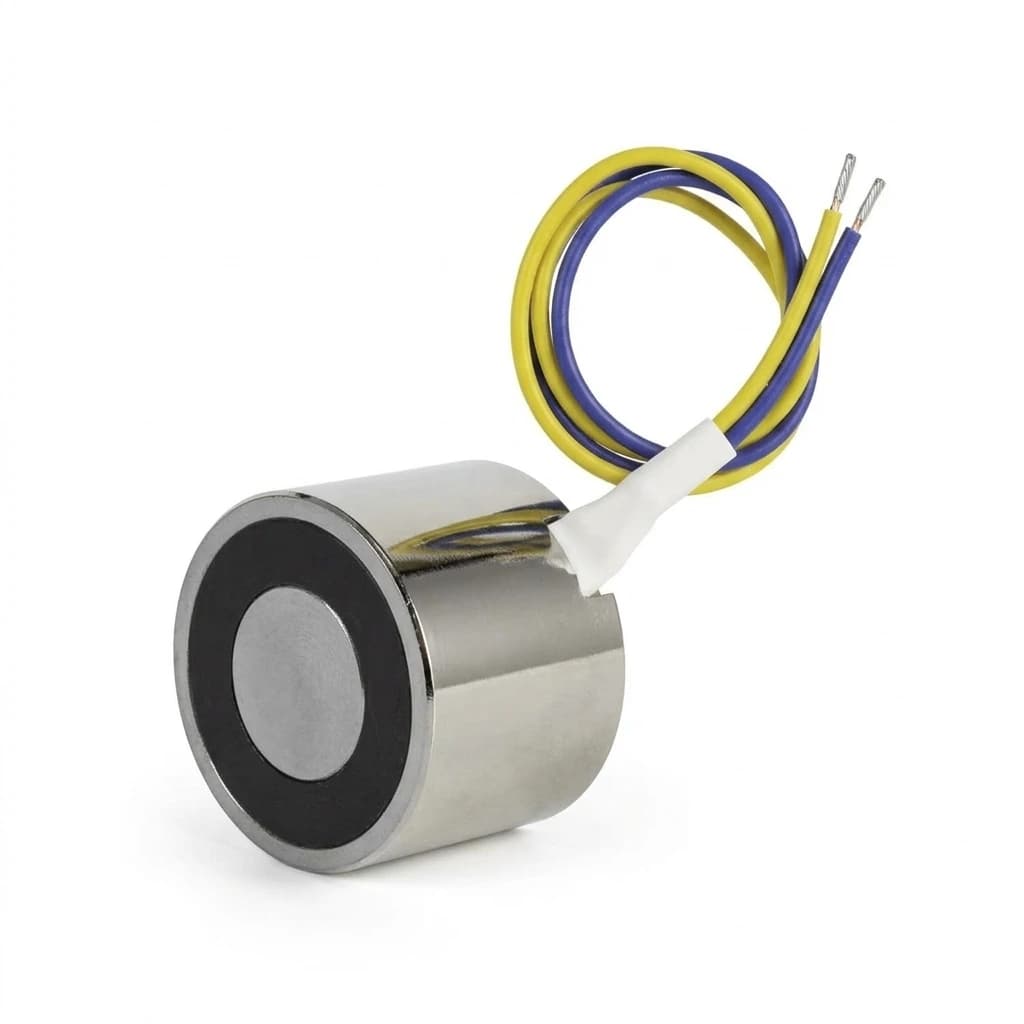
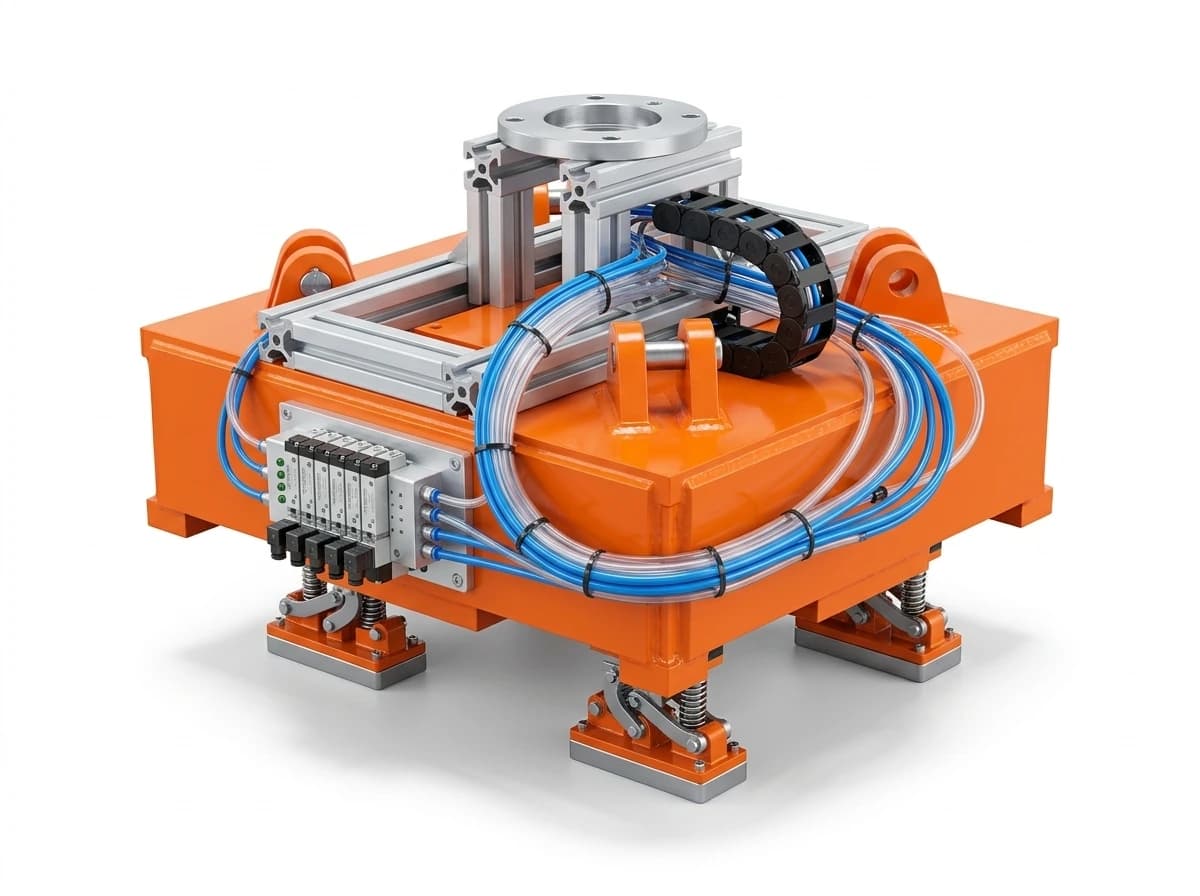
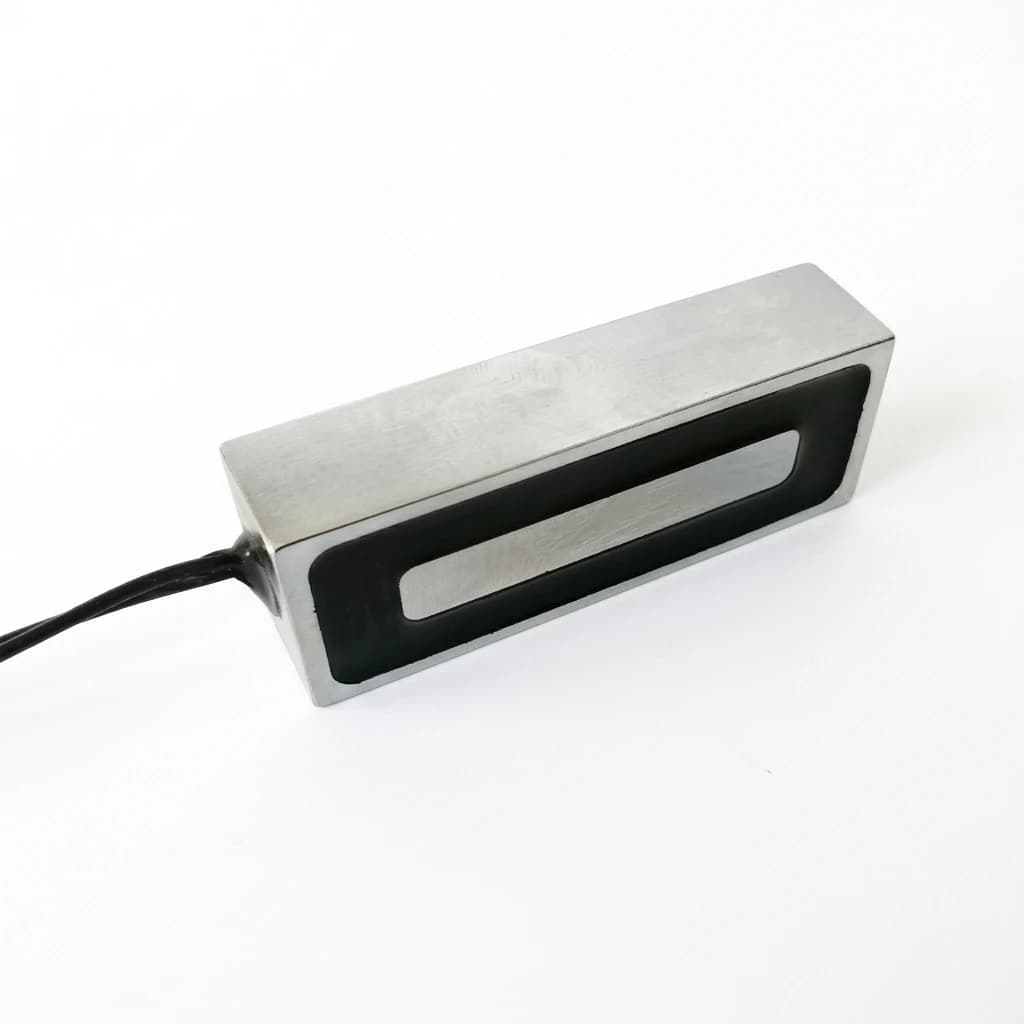
Options range from a simple pulse driver to a PLC-integrated module with fieldbus communication. The right choice depends on your automation architecture and the level of feedback you need.
Yes, if the design includes a connector at the gripper end. Hardwired cables offer higher reliability but require downtime for replacement. Define your maintenance strategy in the RFQ.
Standard industrial connectors (M12, M8) typically offer IP67. Higher ratings or special sealing for wash-down or coolant exposure can be specified. Include your environmental conditions in the RFQ.
Inquiry Email
Include workpiece details, target holding force, quantity, and destination.