Fit
Will it grip our real workpiece?
Check: Material, thickness, flat contact area, coating, oil, burrs, holes, and air gap.
Buyer value: A practical shortlist before you spend time on samples.
Send part drawings, photos, robot details, and cycle requirements. We review fit, holding risk, release behavior, interface scope, and sample validation before quoting.
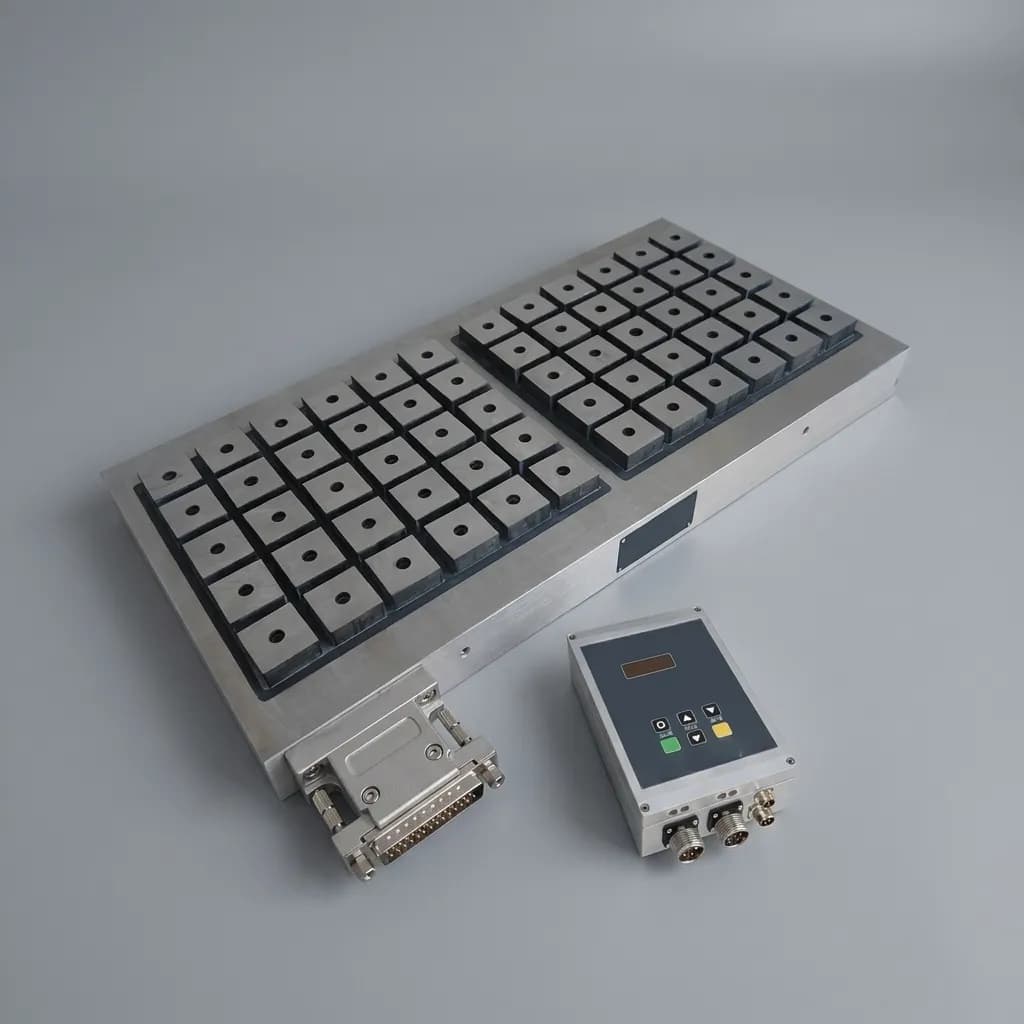
Material, thickness, surface, air gap, and pickup face checks before gripper selection.
Robot flange, adapter plate, controller, cable, connector, and signal scope reviewed together.
Acceptance checks, documentation, packaging, and shipment planning for production release.
Customization matters only after the basic engineering question is clear: can the tool hold, move, release, and integrate reliably in your real cell?
Fit
Check: Material, thickness, flat contact area, coating, oil, burrs, holes, and air gap.
Buyer value: A practical shortlist before you spend time on samples.
Hold
Check: Orientation, acceleration, stop behavior, payload margin, EOAT mass, and part swing.
Buyer value: A holding-force discussion tied to the real robot cell.
Release
Check: Residual magnetism, double-sheet pickup, release timing, placement tolerance, and stack variation.
Buyer value: A clear sample test target before production tooling.
Integration
Check: Robot flange, adapter plate, available power, control signals, cable routing, and service access.
Buyer value: A quote that includes the real installation scope.
Supply
Check: Sample plan, inspection notes, packaging, documentation, delivery window, and repeat-order records.
Buyer value: A lower-risk path from first sample to export-ready batch supply.
A useful first reply depends on application data, not a long supplier introduction. These inputs separate standard-product fits from projects that need pole layout, mounting, controller, or sample-validation review.
Product choice is physical: pole face, mounting, cable route, tool weight, and release behavior all affect whether the gripper fits the automation cell.
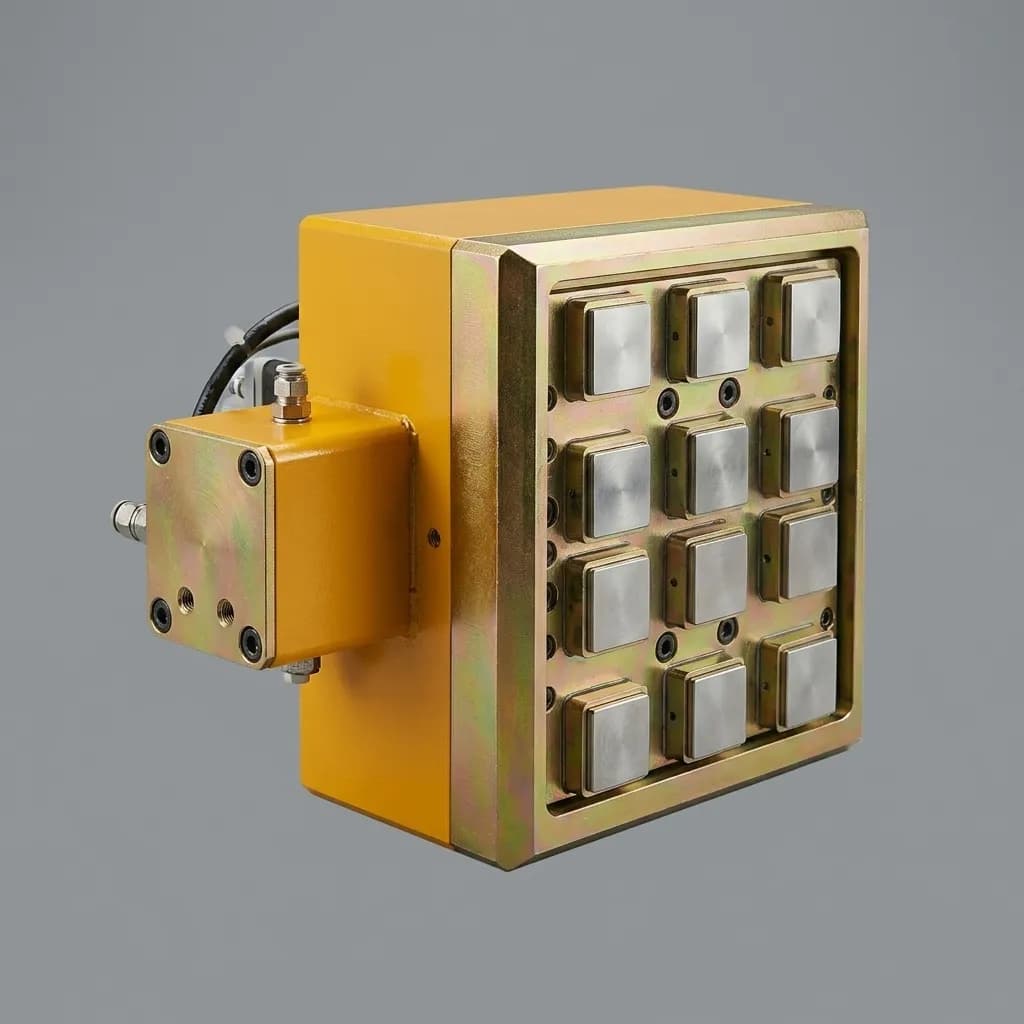
Best for secure steel-part holding with low energy use after magnetization.
Review: Check contact area, part thickness, release timing, and control signal scope.
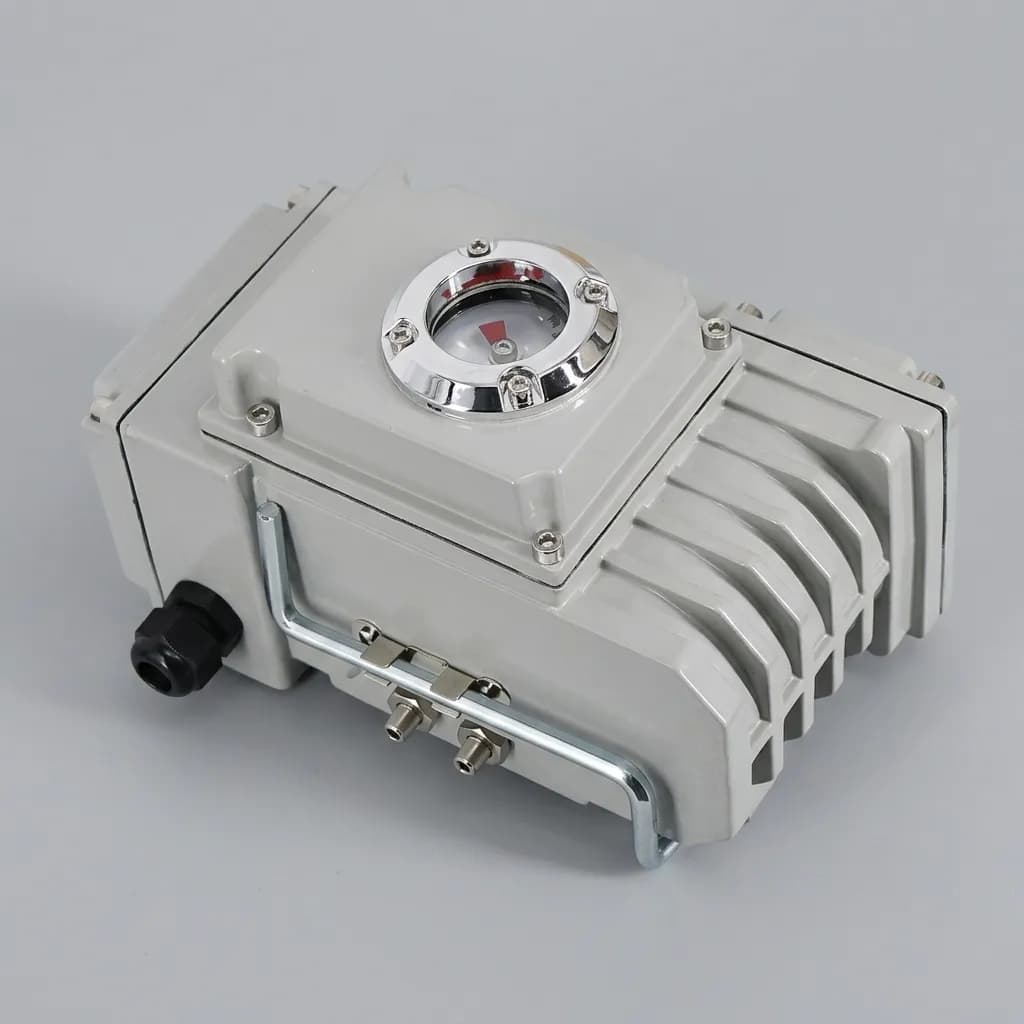
Best for robot or gantry cells that need a complete magnetic end-of-arm tool.
Review: Check tool center, adapter plate, cable route, pole layout, and safety margin.
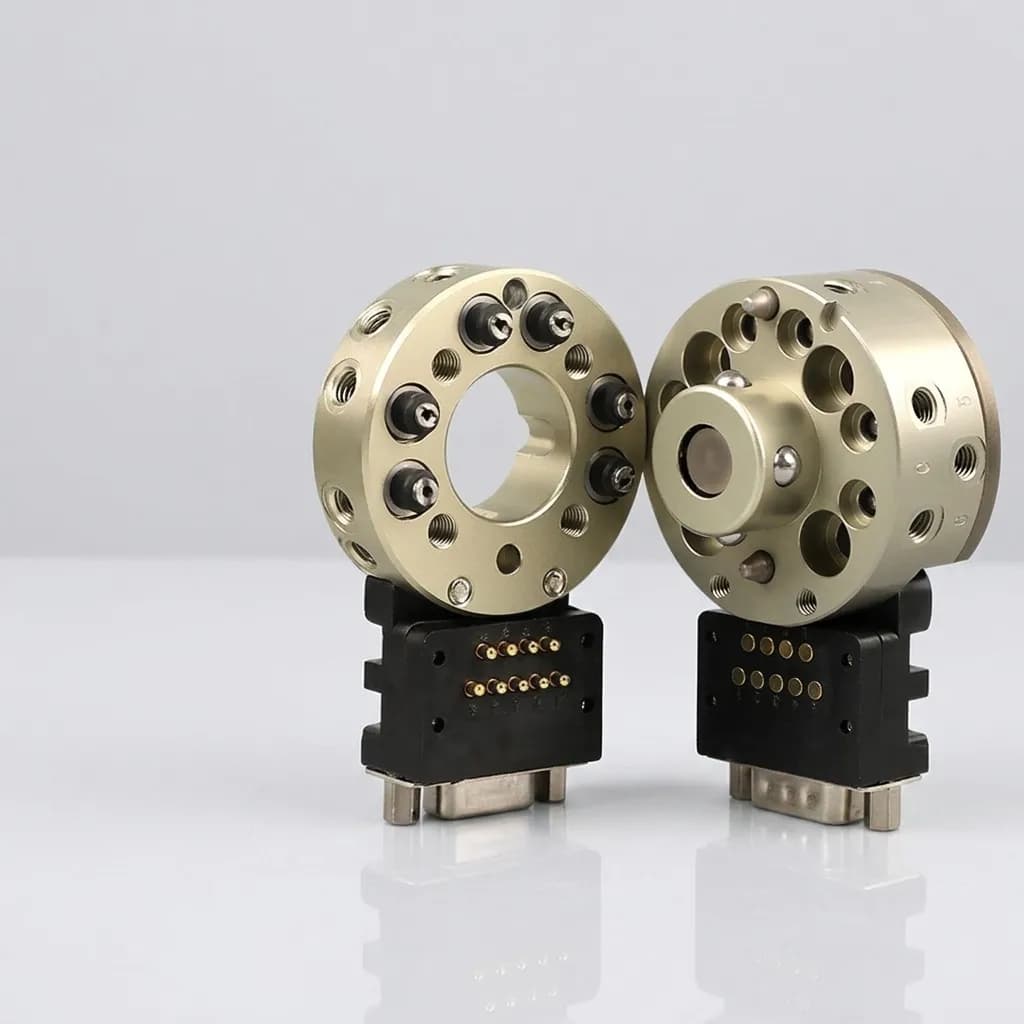
Best for repeatable robot pick-and-place of ferromagnetic parts.
Review: Check robot model, payload, acceleration, flange, and release position.
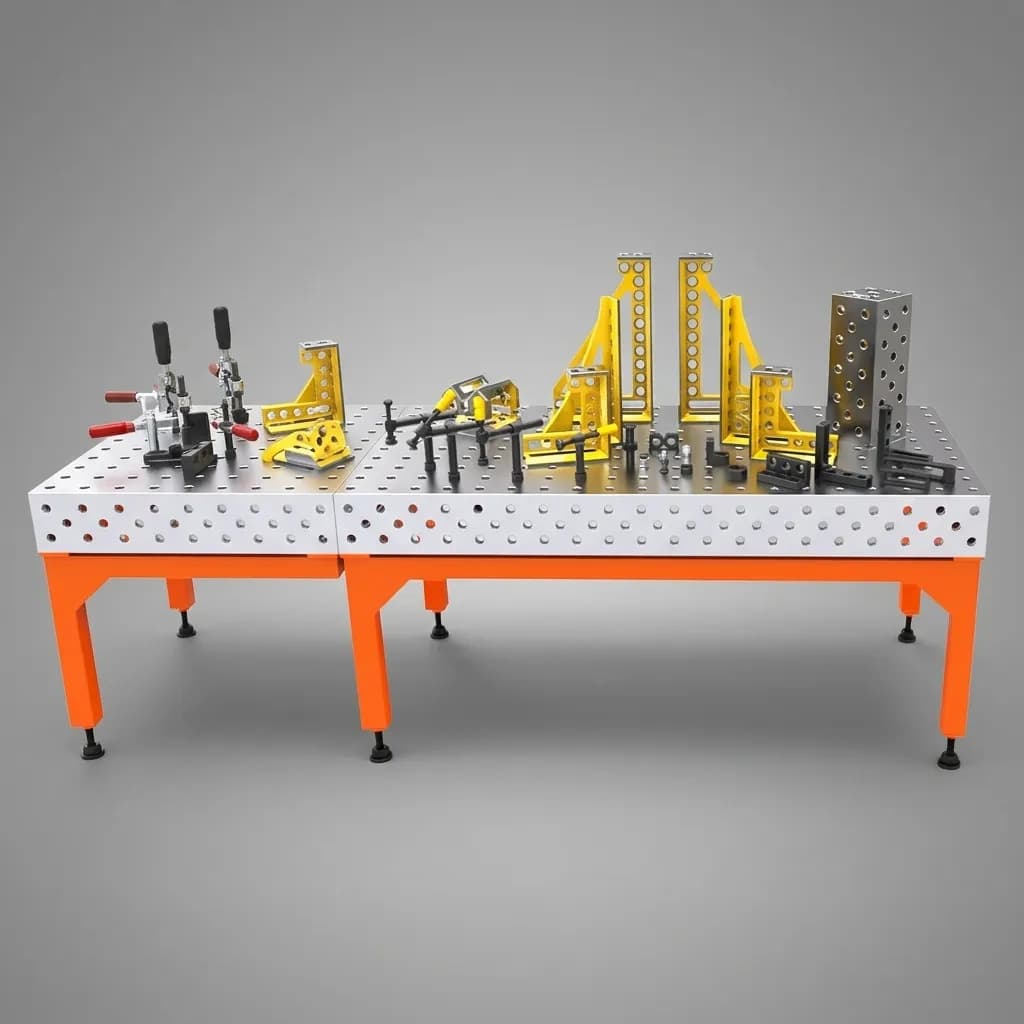
Best for compact collaborative robot handling where tooling weight matters.
Review: Check payload margin, tool center of gravity, bracket weight, and cable clearance.
A predictable quote process helps buyers avoid vague supplier replies. This is the usual path from first workpiece data to sample review and export-ready batch supply.
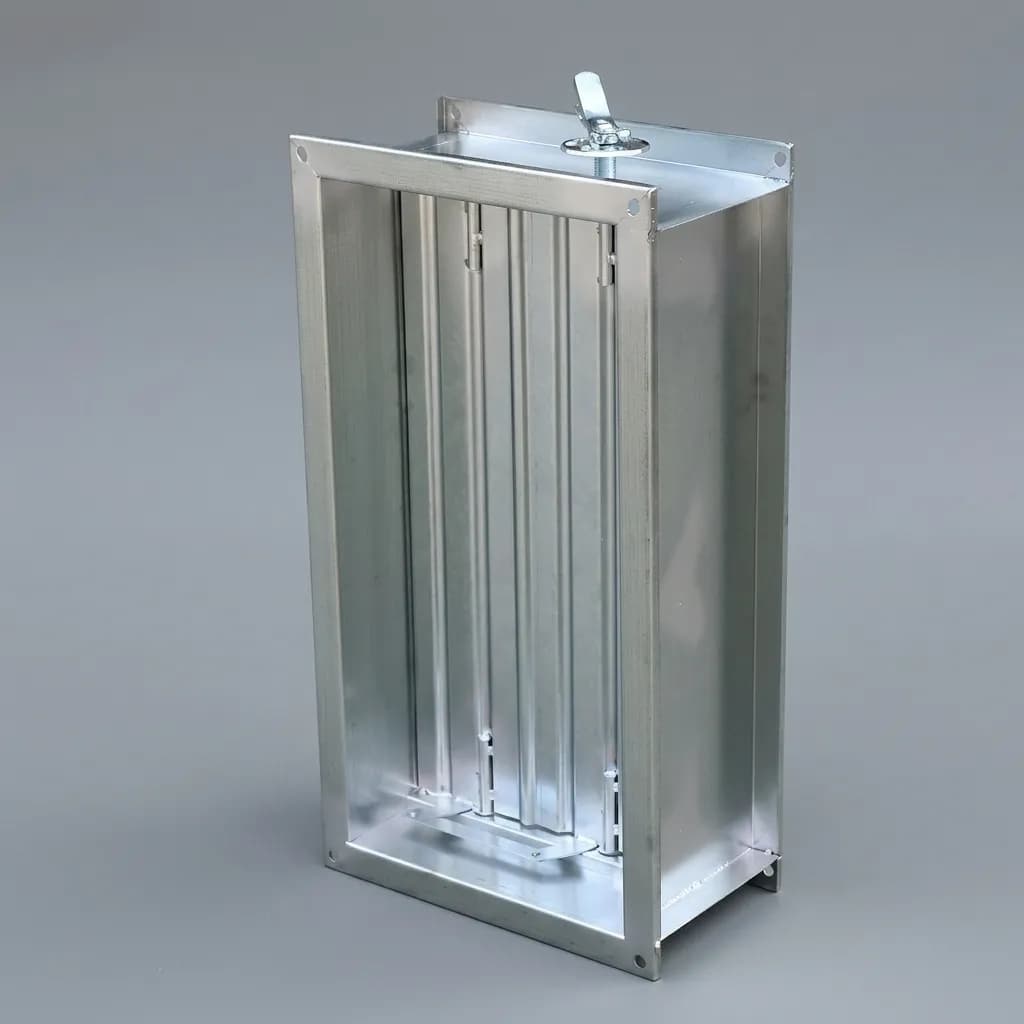
01
Share drawings, photos, material, thickness, pickup surface, robot model, cycle, quantity, and destination.
02
We check whether magnetic gripping is suitable, which product family fits, and where sample validation is required.
03
Pole layout, mounting interface, cable route, connector, controller, packaging, and inspection notes are clarified.
04
The project moves through sample testing, revision control, production follow-up, export packing, and repeat-order records.
This quick matrix helps automation teams compare magnetic gripper options before opening a detailed RFQ thread.
| Family | Best Fit | Key Metric | Why It Matters |
|---|---|---|---|
| Electro-Permanent Magnetic Gripper | Best for integrators and OEM teams that need secure magnetic holding with controlled release in repeatable automation cells. | Holding force: Application-dependent after workpiece review | The selected magnetic circuit must match workpiece geometry, material, motion, and safety factor. |
| Electromagnetic Gripper | Best for machine builders and integrators comparing magnetic gripping with vacuum, clamp, or mechanical pickup methods. | Duty cycle: Defined by energizing time and thermal review | Electromagnets require duty-cycle review to avoid heat-related performance drift. |
| Magnetic EOAT | Best for robot integrators and OEMs that need a complete magnetic tooling package instead of a loose magnet only. | EOAT mass: Calculated with gripper, bracket, cable, and workpiece | Robot payload and moment checks must include the complete tooling stack. |
| Robot Magnetic Gripper | Best for integrators specifying magnetic gripping for ABB, FANUC, KUKA, Yaskawa, or similar industrial robot cells. | Payload margin: Reviewed from full EOAT and workpiece mass | The robot must carry the gripper, bracket, cables, and part through the actual motion. |
| Cobot Magnetic Gripper | Best for teams using collaborative robots where compact size, low tooling weight, and simple integration matter. | Tool weight: Minimized against required holding force | Cobot payload limits make every bracket, cable, and gripper gram important. |
| Sheet Metal Magnetic Gripper | Best for manufacturing engineers and integrators handling steel sheets, blanks, or flat parts in repeatable automation. | Sheet thickness: Reviewed with material and contact area | Thin, coated, or flexible sheets can change pickup and release behavior. |
| Magnetic Depalletizing Head | Best for integrators automating metal part depalletizing where part variation, stack height, and release sequence need review. | Stack variation: Defined by pallet, tray, or bin presentation | Depalletizing needs tolerance for changing pickup height, alignment, and part exposure. |
| Custom Robot Gripper | Best for OEMs and integrators that need a magnetic gripper adapted to real machine constraints instead of a catalog-only part. | Customization scope: Pole layout, bracket, adapter, cable, connector, and packaging | A clear scope keeps quote, prototype, and batch-production expectations aligned. |
These are the practical issues that often decide whether a magnetic gripper project is simple, needs sample validation, or should be redesigned before purchase.
| Buyer Concern | What Can Go Wrong | How We Qualify It |
|---|---|---|
| Catalog holding force | Published force can be misleading when the real contact area is small or the surface is coated, oily, curved, or uneven. | We review material, thickness, contact face, and air gap before treating force as usable. |
| Dynamic handling | A gripper that lifts in a bench test may fail during fast robot motion, rotation, emergency stop, or off-center pickup. | We ask for motion direction, cycle, payload class, workpiece weight, and full EOAT mass. |
| Clean release | Residual magnetism, double-sheet pickup, burrs, or stack variation can slow the cell or create placement errors. | We define release behavior and sample acceptance checks before batch production. |
| Installation gaps | Unclear flange, cable, connector, controller, or signal requirements can delay commissioning after the hardware arrives. | We confirm interface scope, mounting assumptions, and documentation needs during RFQ. |
Practical buyer-side checklists, decision frameworks, and technical insights from our sales engineering team.
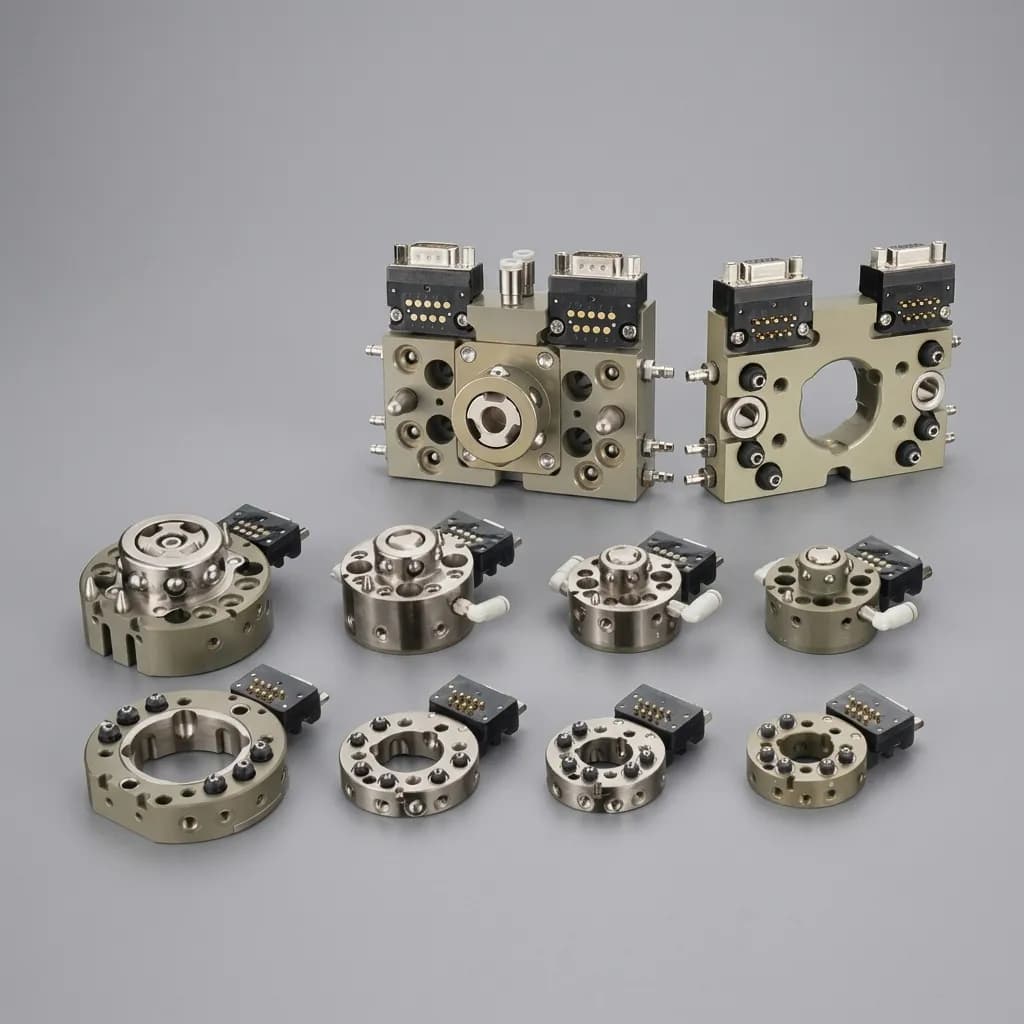
High-temperature magnetic grippers sizing guide for hot forging: compare EPM safety, payload derating, duty cycles, cooling options, and RFQ inputs for buyers.

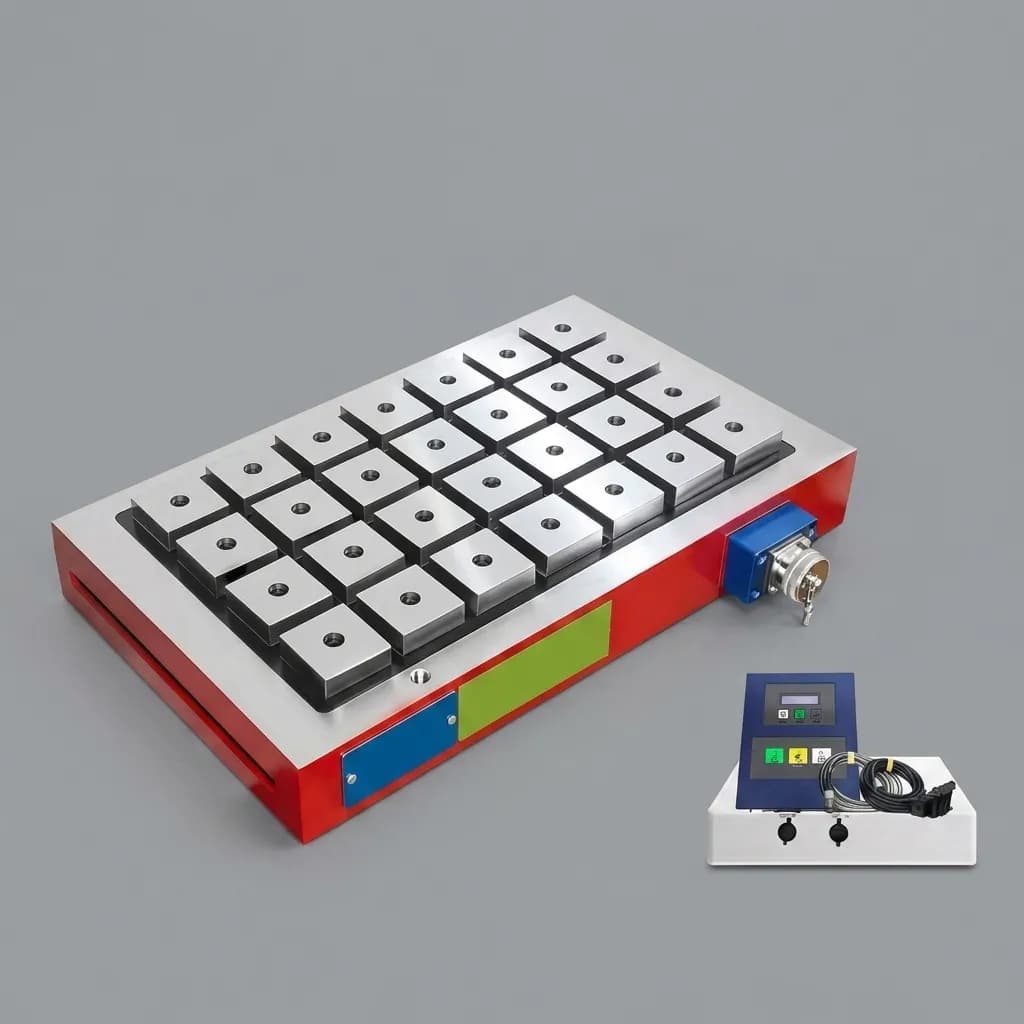
Guide for engineers and buyers on why parts stick to magnetic grippers, how active demagnetization works, and how to define release acceptance criteria.
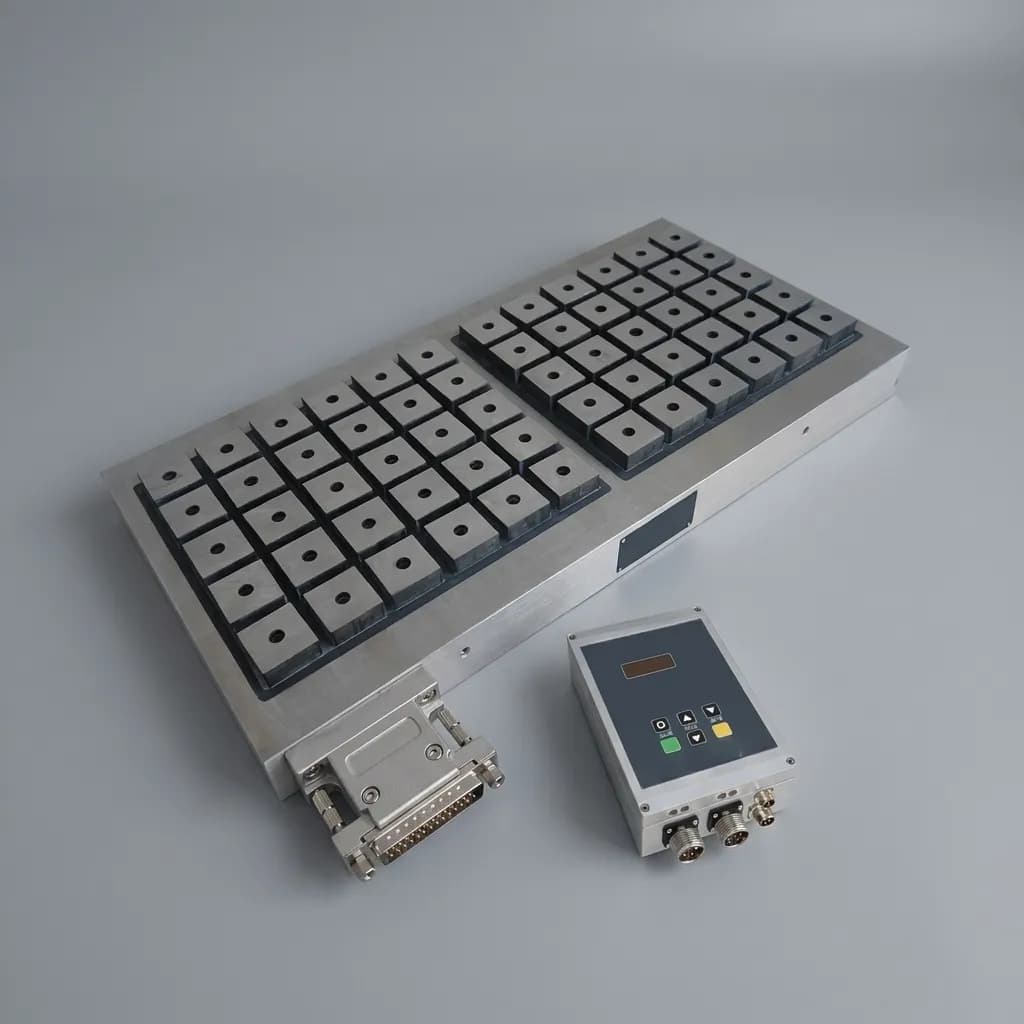
A buyer's guide for procurement and engineering teams specifying fail-safe electro-permanent magnetic grippers against ISO 10218-2 and ISO 13849-1 expectations.
FAQ
Share workpiece details, robot interface, quantity, and project timeline to receive engineering feedback and quotation support.
Inquiry Email
Include workpiece details, target holding force, quantity, and destination.