Compare total scope
Separate unit price from engineering, samples, tooling, freight, insurance, duty, taxes, and local integration. Keep unknown costs visible instead of treating them as zero.
Compare supplier quotes and set sample acceptance.
Use actual supplier inputs; unknown charges stay visible.
Compare a supplier quoteSourcing decision guide
Supplier country alone does not establish price, lead time, or suitability. Make quotes comparable by fixing the interface, sample acceptance, included costs, and delivery terms first.
Separate unit price from engineering, samples, tooling, freight, insurance, duty, taxes, and local integration. Keep unknown costs visible instead of treating them as zero.
Define representative workpieces, pickup orientation, cycle, environment, and a pass/fail sample test before authorizing a production batch.
Review robot payload and wrist limits, electrical/control scope, destination-market obligations, and support responsibilities for the complete installation.
Use the same scope and evidence request for every China-based and local option. The table is a checklist, not a claim that one region is always cheaper or faster.
| Dimension | Ask every supplier to state | Evidence to retain |
|---|---|---|
| Engineering scope | Included design work, NRE/tooling, revision rounds, and exclusions. | Dated quote with drawing and specification revisions. |
| Prototype and validation | Sample quantity, test responsibilities, acceptance criteria, and rework terms. | Signed test plan, results, photos, and approved sample revision. |
| Delivery | Production time and transit separately, delivery term, destination, and quote validity. | Supplier and carrier dates; customs and clearance assumptions. |
| Commercial total | Currency, payment schedule, tooling ownership, freight, insurance, duty, and tax exclusions. | Itemized quote and buyer-approved exchange-rate date. |
| Compliance and support | Product role, destination-market documents, installation scope, spares, and response path. | Applicable declarations/reports and named support contact. |
Official source pages checked 12 Oct 2026. Standards and market rules can change; confirm the edition and applicability for the project.
Send one controlled package to each supplier so the responses are comparable. Mark unknowns explicitly and ask the supplier to list assumptions.
Answers focus on quote comparability and engineering validation. No public supplier-price or delivery benchmark is assumed.
No. It calculates a scenario from prices and timing quoted by your supplier. It does not use a market-price database. If you do not have a quote, request one with a defined workpiece, robot interface, operating conditions, quantity, and acceptance plan.
Include the robot make and model, flange drawing, workpiece material and dimensions, pickup-face photos, cycle and motion, environment, control interface, quantity, destination, and measurable sample acceptance criteria. Mark critical dimensions and identify what is included in the quote.
Normalize the currency and compare unit price, non-recurring engineering or tooling, sample charges, freight, insurance, import duty, taxes, Incoterm, quote validity, revision terms, and acceptance testing. A low unit price alone does not establish the lowest delivered cost.
No. It totals only values you enter. An entered duty rate is applied to goods value as a simplified scenario; tariff classification and the actual customs valuation basis may differ. Taxes, customs fees, brokerage, and other charges are excluded unless represented in an entered line item.
No. ISO 9409-1 defines main dimensions, designation, and marking for circular mechanical interface plates. ISO states that it does not define load-carrying ranges, so verify the robot wrist limits and the gripper supplier’s interface and load calculations for the application.
Describe the actual dust, water, cleaning, and temperature exposure, then state the enclosure protection target and ask what assembly and test evidence supports it. IEC 60529 is the standard publication for degrees of protection provided by enclosures (IP Code).
Do not treat a logo as a complete compliance review. Identify the applicable rules for the product and destination market, the responsible economic operator, the required conformity assessment, technical documentation, and declaration. The European Commission explains that obligations depend on the applicable product legislation.
Agree on a sample acceptance plan first. Test representative and worst-case workpieces in the intended orientation, motion, cycle, and environment; record results and drawing revision; then approve the production release against that frozen scope.
Share the robot interface, workpiece details, operating conditions, quantities, and acceptance criteria. The engineering team can help clarify scope before a custom gripper quote is compared.
Inquiry Email
Include workpiece details, target holding force, quantity, and destination.
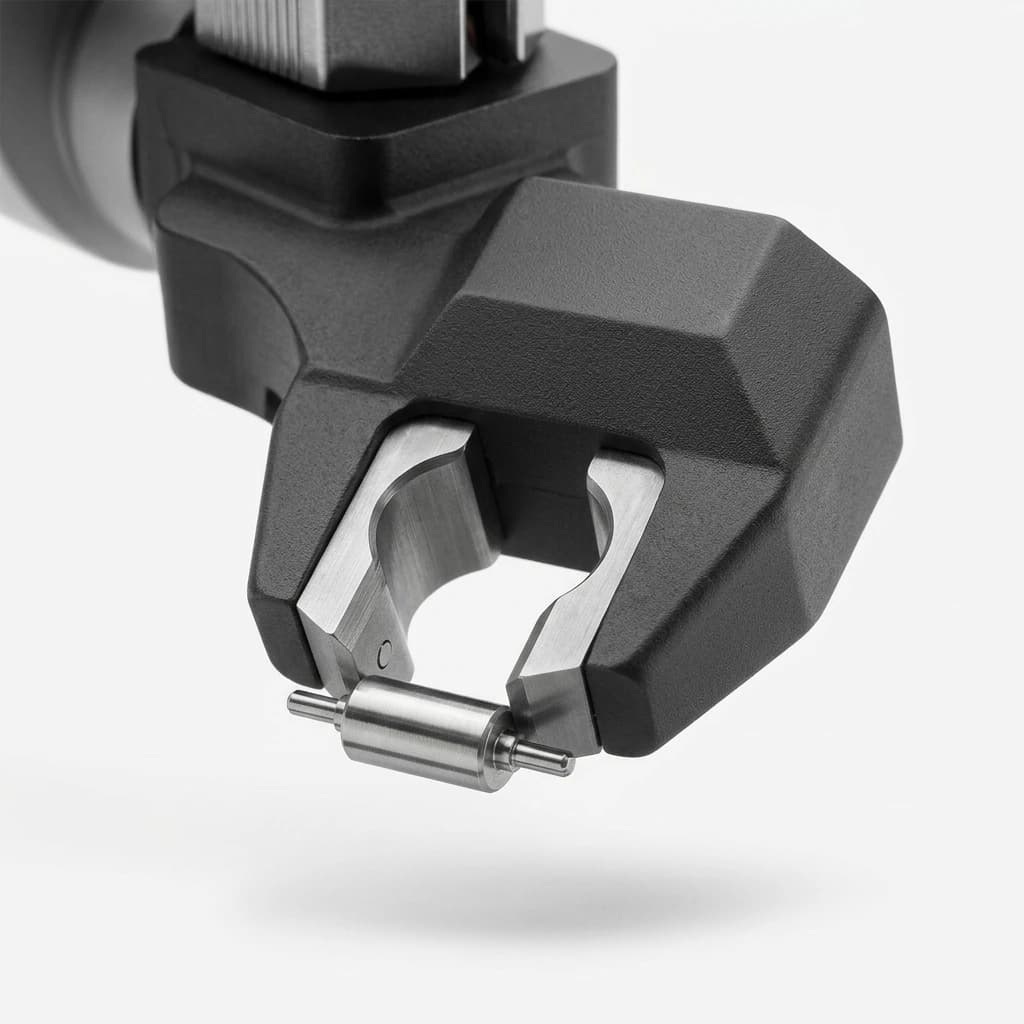
Treat custom robot gripper as a complete handling decision, not a stand-alone magnet purchase. The right choice depends on whether the workpiece can be held magnetically, whether the robot motion keeps enough margin, whether the part releases cleanly, and whether the installation scope is clear enough for quotation.
Buyer fit: Best for OEMs and integrators that need a magnetic gripper adapted to real machine constraints instead of a catalog-only part. Before comparing price, align the practical constraints below so the quote reflects the real automation cell instead of a generic catalog condition.
| Decision Area | Buyer Question | Practical Evidence |
|---|---|---|
| Workpiece fit | Can the magnetic poles contact enough real surface area under production conditions? | Send workpiece drawings, material specification, and photos of the pickup face plus photos or drawings of the pickup face. |
| Motion margin | Will the gripper hold through acceleration, rotation, off center pickup, and stop conditions? | Review customization scope because a clear scope keeps quote, prototype, and batch-production expectations aligned. |
| Release behavior | Can the part release within the placement tolerance without residual magnetism, double pickup, or stack disturbance? | Define sample acceptance criteria around validation plan and record the release test result before batch release. |
| Interface scope | Are the flange, adapter, cable, connector, controller, and documentation assumptions included in the same RFQ? | Confirm workpiece-specific magnetic circuit assumptions and list any custom mounting or control requirements before PO release. |
Start with representative parts, including the worst expected surface condition. Check pickup contact, peel risk, air gap, and any stacked-part behavior before approving the gripper concept.
Test the planned orientation, acceleration, tool center, cable route, and stop assumptions. A static lift is not enough when the cell includes fast motion or rotated handling.
Measure release timing, residual magnetism, placement tolerance, and repeatability across a small run. Use the result to freeze pole layout, interface, and quality-control notes.
The most common sourcing mistake is treating holding force as a fixed catalog value. In practice, custom design freezes before representative workpieces are tested. Always validate the prototype on worst-case production parts before releasing the design for batch manufacturing. Another common issue is that revision scope is not controlled, leading to cost and schedule overruns. Define a clear change-control process and limit free revision rounds before prototype approval.
For a quote that can move from engineering review to procurement, include the workpiece file set, automation interface, cycle target, release requirement, quantity, destination, and any custom packaging or documentation needs. If those values are not final, mark them as assumptions so the quotation can separate confirmed scope from validation-dependent scope.
| Metric | Typical Range | Why It Matters |
|---|---|---|
| Customization scope | Pole layout, bracket, adapter, cable, connector, and packaging | A clear scope keeps quote, prototype, and batch-production expectations aligned. |
| Validation plan | Sample review before release | Custom tooling should be validated against real parts before repeat production. |
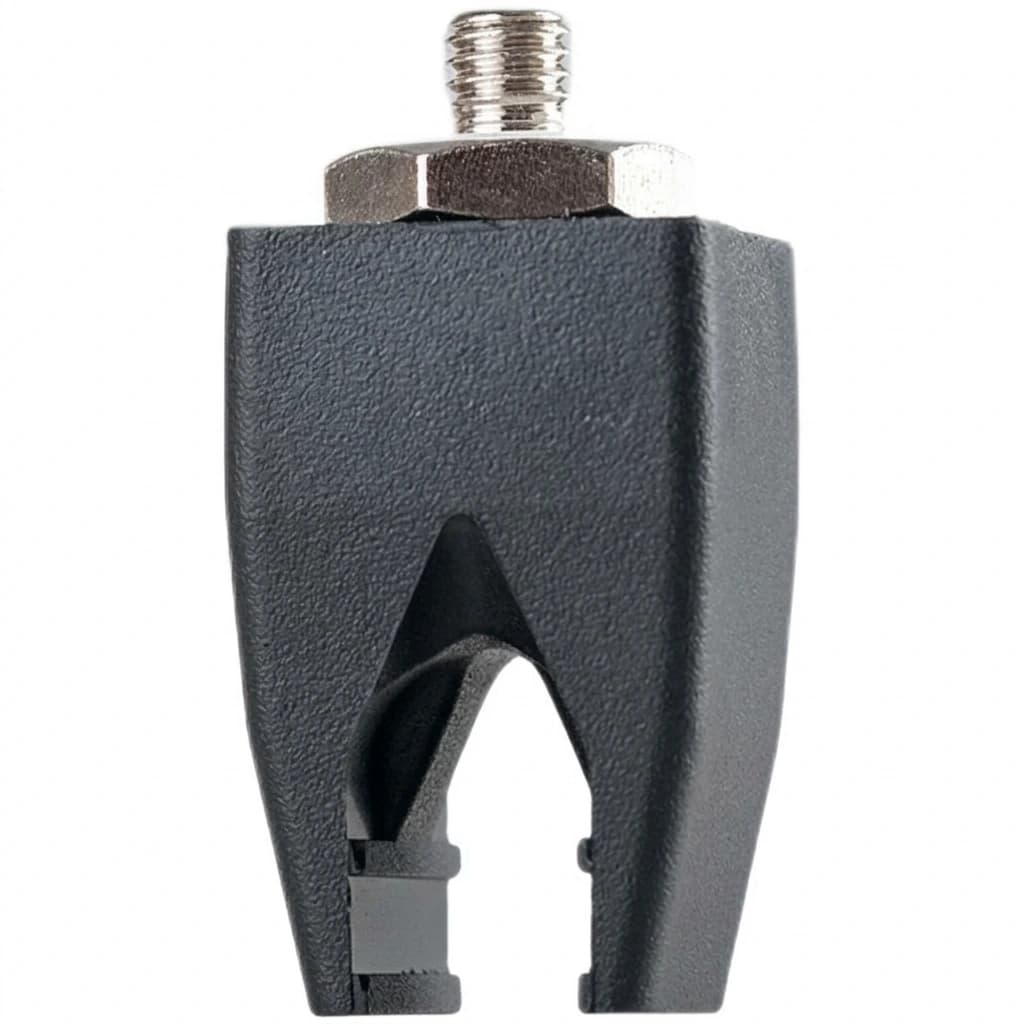
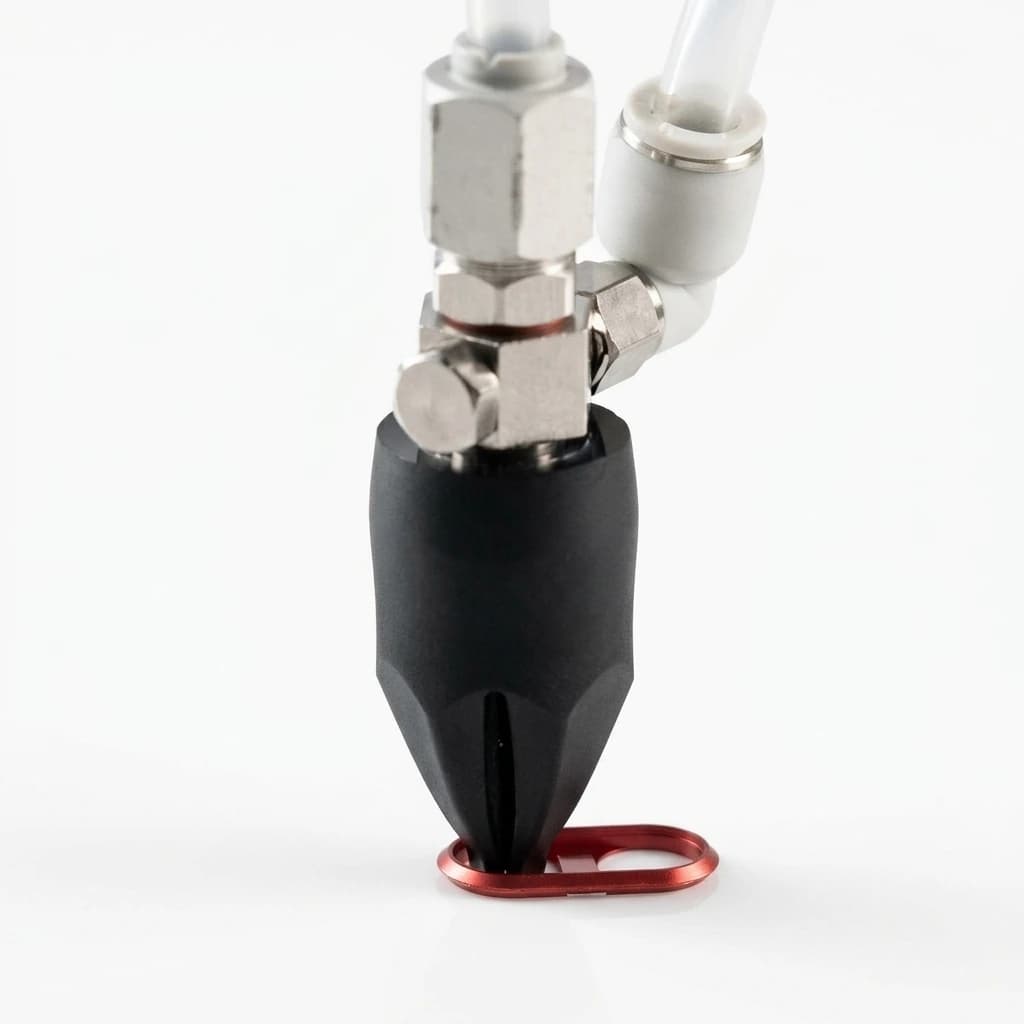
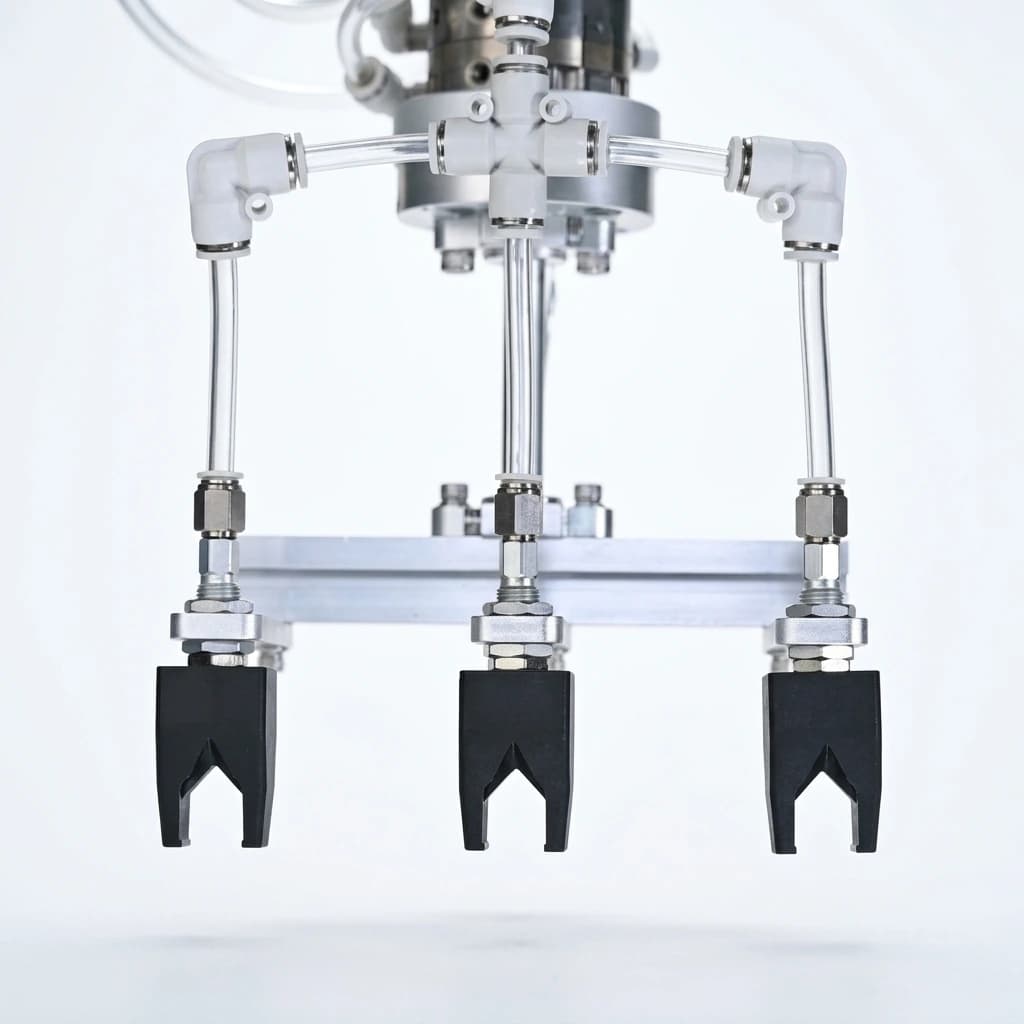
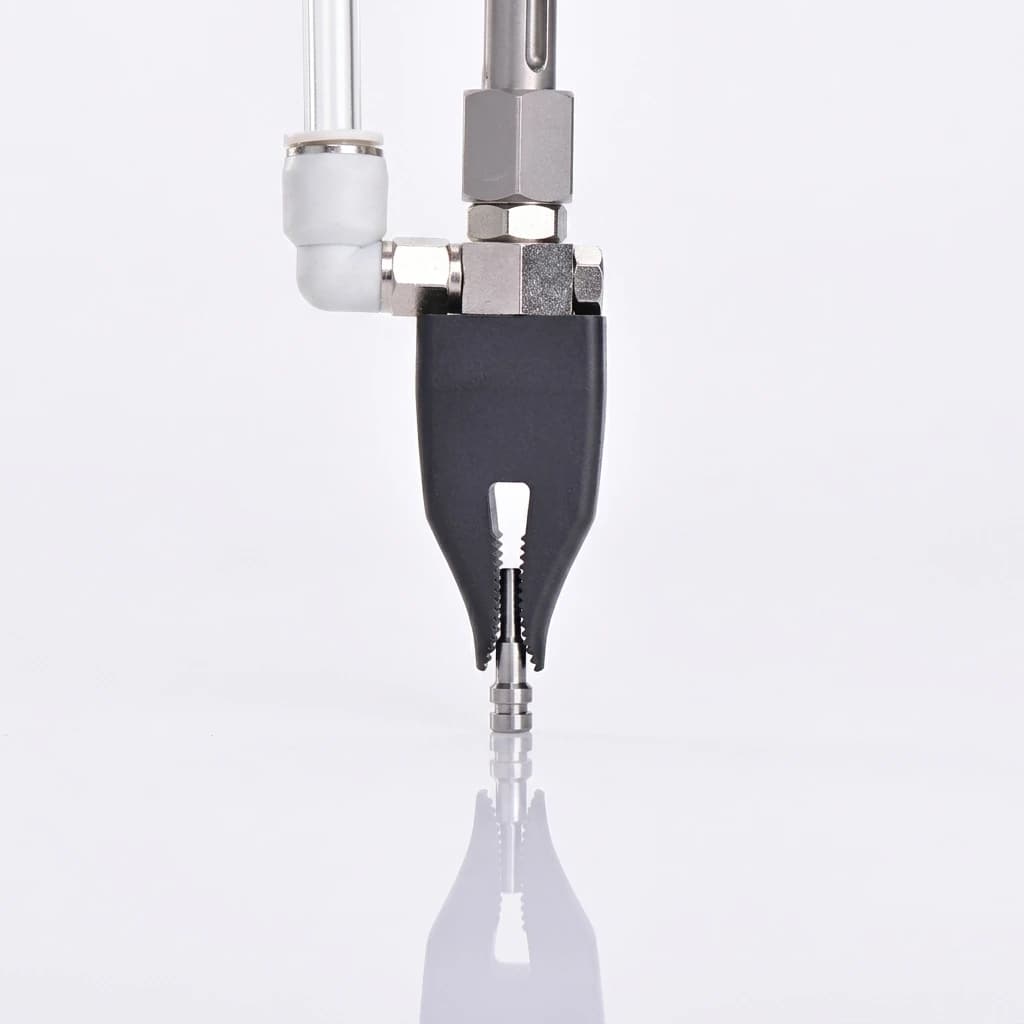
There is no fixed lead time that applies to every custom gripper. Ask the supplier to quote engineering, sample build, validation changes, batch production, and transit separately; approvals, customs, and scope changes can add time.
Prototype availability and minimum order quantity depend on the design and supplier. Request a sample quantity and planned batch quantity separately, with engineering/tooling charges itemized apart from unit price.
We can review your failed tooling, workpiece data, and process conditions to identify the root cause and propose a redesign. Send photos, drawings, and failure description for an initial assessment.
Inquiry Email
Include workpiece details, target holding force, quantity, and destination.