1. Bench pickup check
Start with representative parts, including the worst expected surface condition. Check pickup contact, peel risk, air gap, and any stacked-part behavior before approving the gripper concept.
Packaging, labeling, and shipment coordination for international magnetic gripper orders.
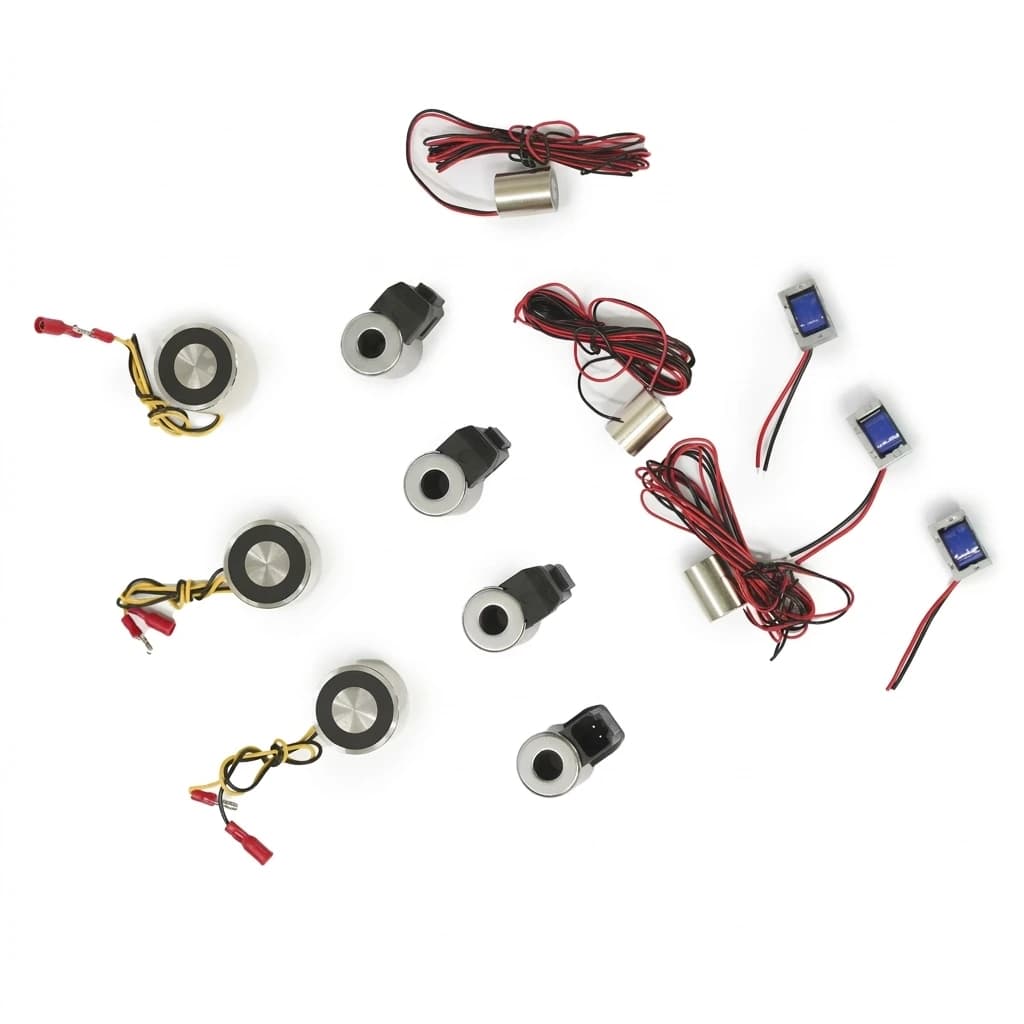
Treat export packaging and documentation as a complete handling decision, not a stand-alone magnet purchase. The right choice depends on whether the workpiece can be held magnetically, whether the robot motion keeps enough margin, whether the part releases cleanly, and whether the installation scope is clear enough for quotation.
Buyer fit: For sourcing teams coordinating international delivery from a China-based factory. Before comparing price, align the practical constraints below so the quote reflects the real automation cell instead of a generic catalog condition.
| Decision Area | Buyer Question | Practical Evidence |
|---|---|---|
| Workpiece fit | Can the magnetic poles contact enough real surface area under production conditions? | Send destination country, port, and any import documentation or certification requirements plus photos or drawings of the pickup face. |
| Motion margin | Will the gripper hold through acceleration, rotation, off center pickup, and stop conditions? | Review shipment readiness because clear delivery planning helps buyers coordinate installation and validation windows. |
| Release behavior | Can the part release within the placement tolerance without residual magnetism, double pickup, or stack disturbance? | Define sample acceptance criteria around shipment readiness and record the release test result before batch release. |
| Interface scope | Are the flange, adapter, cable, connector, controller, and documentation assumptions included in the same RFQ? | Confirm packing method and protection needs and list any custom mounting or control requirements before PO release. |
Start with representative parts, including the worst expected surface condition. Check pickup contact, peel risk, air gap, and any stacked-part behavior before approving the gripper concept.
Test the planned orientation, acceleration, tool center, cable route, and stop assumptions. A static lift is not enough when the cell includes fast motion or rotated handling.
Measure release timing, residual magnetism, placement tolerance, and repeatability across a small run. Use the result to freeze pole layout, interface, and quality-control notes.
The most common sourcing mistake is treating holding force as a fixed catalog value. In practice, magnetic gripper shipment triggers customs delays due to missing documentation or incorrect hs code. Confirm the HS code, commercial invoice description, and any required certificates (CE, RoHS) before shipping. Another common issue is that inadequate packaging causes transit damage to precision pole faces or control electronics. Use foam-insert packaging with moisture barrier for precision components; specify vibration and drop requirements for the shipping test.
For a quote that can move from engineering review to procurement, include the workpiece file set, automation interface, cycle target, release requirement, quantity, destination, and any custom packaging or documentation needs. If those values are not final, mark them as assumptions so the quotation can separate confirmed scope from validation-dependent scope.
| Program Metric | Typical Range | Procurement Value |
|---|---|---|
| Shipment readiness | Aligned to destination, packaging, and project schedule | Clear delivery planning helps buyers coordinate installation and validation windows. |
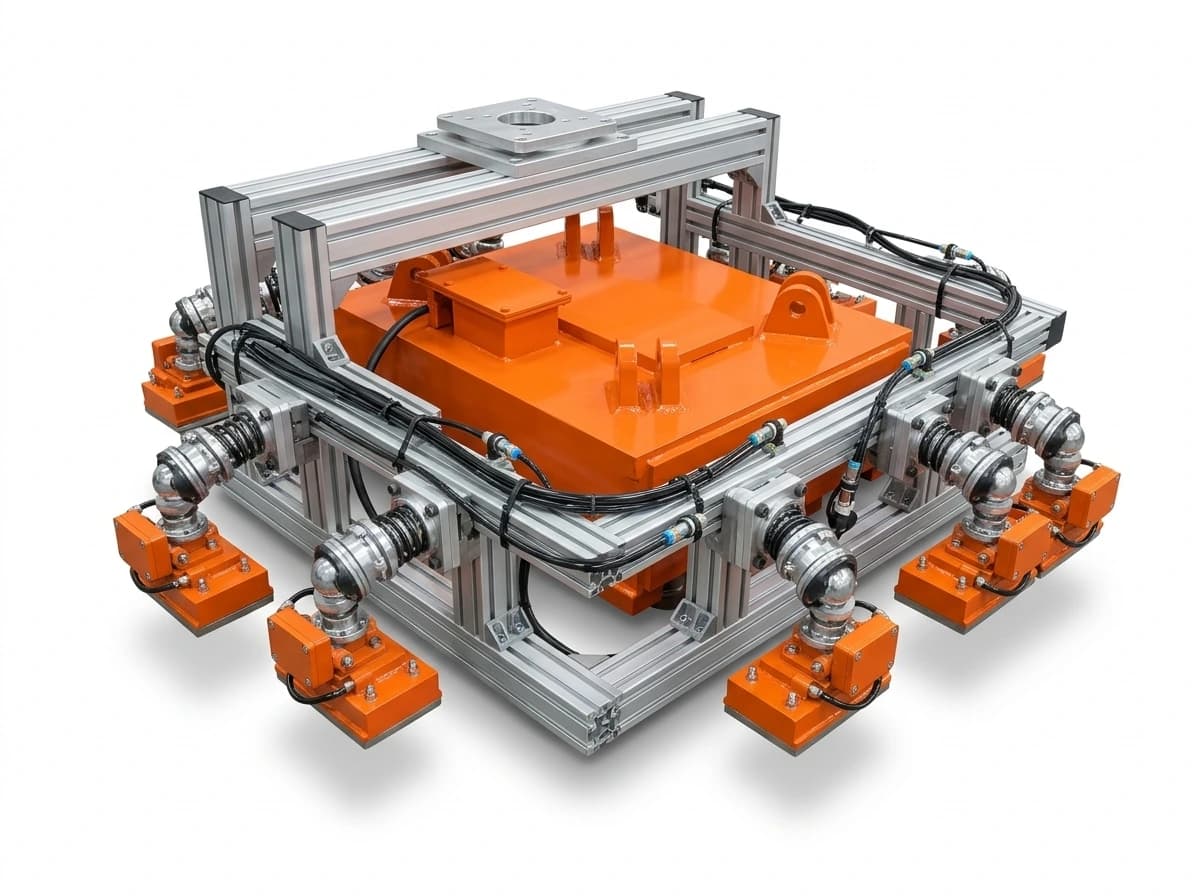
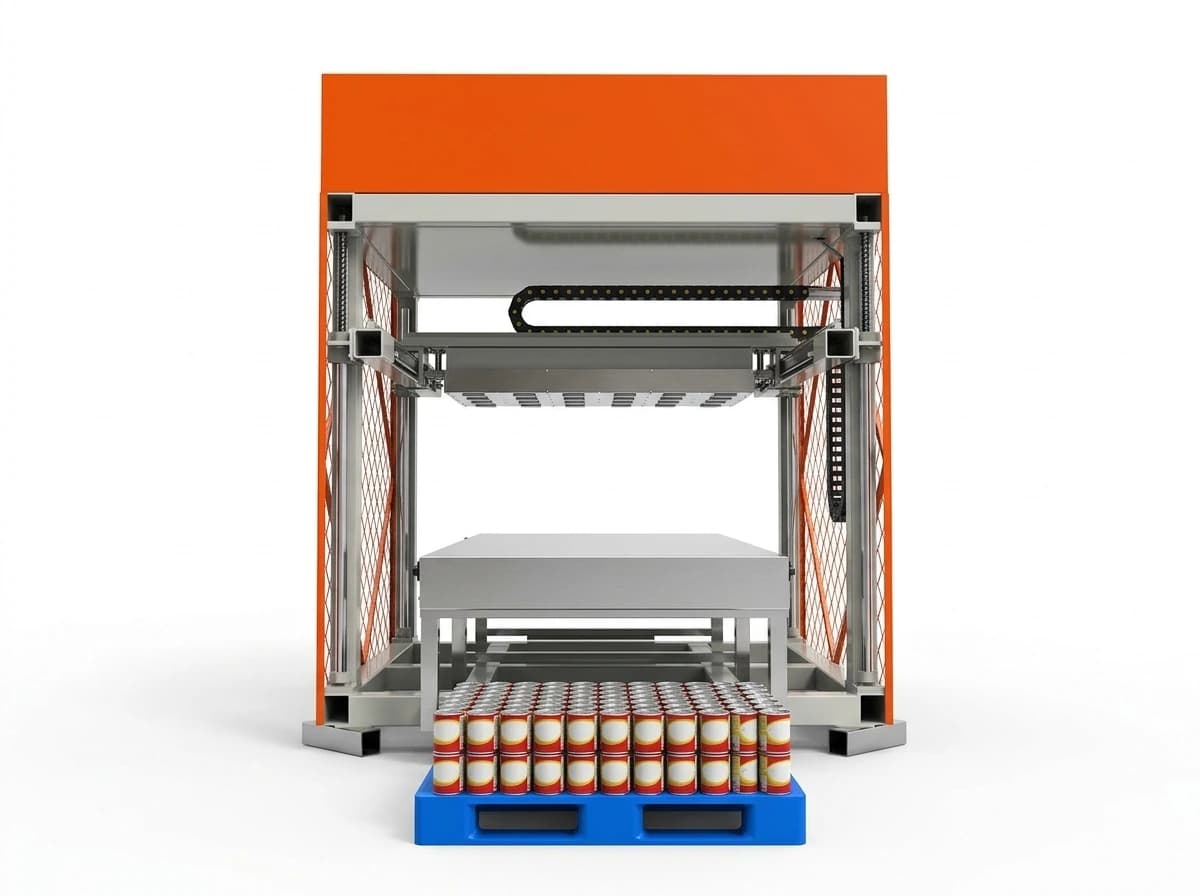
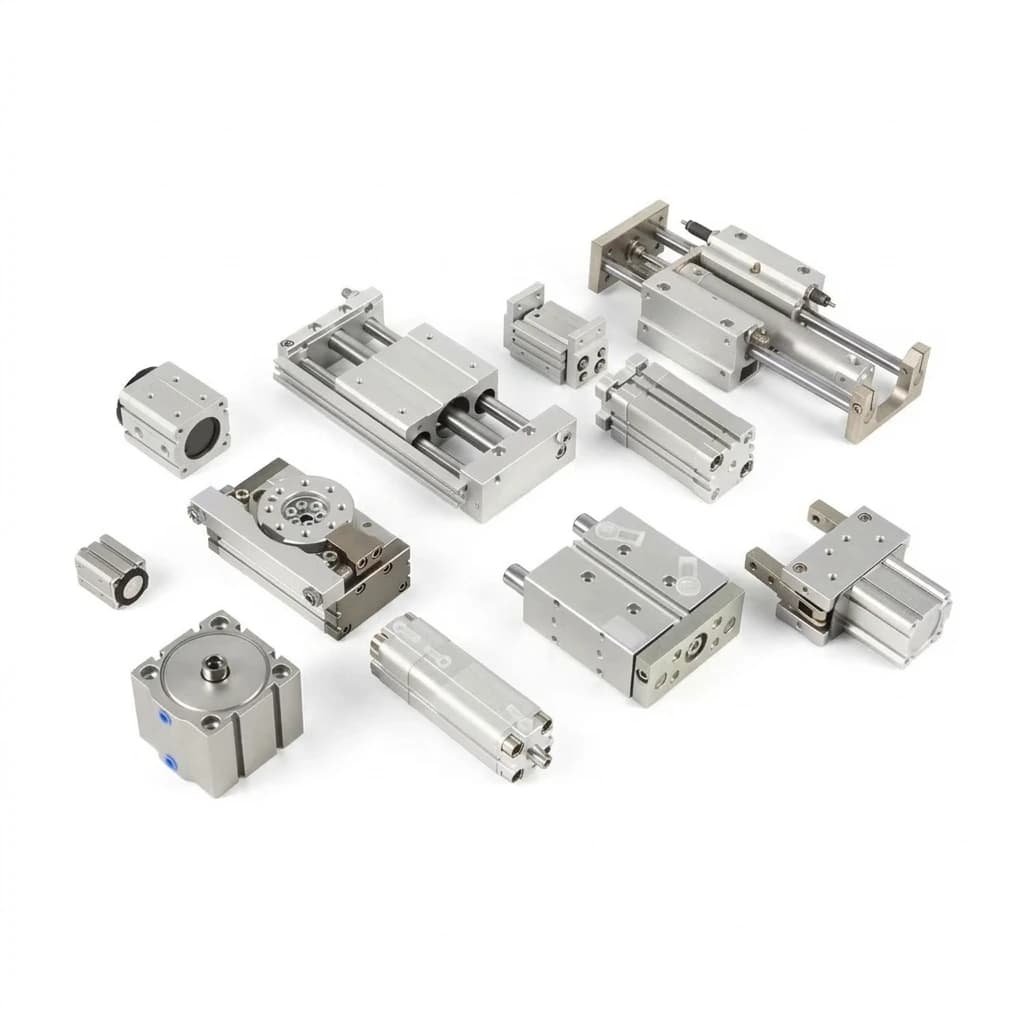
We commonly ship EXW, FOB Ningbo/Shanghai, CIF, and DDP. The best term depends on your freight forwarder preference and import process. Specify your preferred Incoterm in the RFQ.
Yes, we can provide CE declarations of conformity and RoHS compliance reports for applicable gripper models. Request these in the RFQ so we can include them in the shipment documentation.
Standard packing uses foam-insert cartons inside a reinforced outer box. Wooden crates are available for heavy units or sea freight. Custom labeling, desiccant, and VCI wrapping are available on request.
Inquiry Email
Include workpiece details, target holding force, quantity, and destination.